Blog / Auto repair in Sterling

Signs You Need New Tires From Your Chevy Dealer

Signs You Need New Tires From Your Chevy Dealer
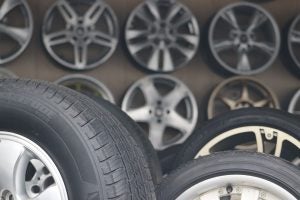
Tires are an essential part of your vehicle's performance and safety. The proper tires from your Chevy dealer provide traction and stability to your car or truck. Here are five signs that you need new tires.

Tire Pressure Light

A tire pressure light coming on can mean your tires are low on air, the sensor is malfunctioning, or there's a leak. But if you're seeing this light regularly, you probably need to replace your tires. That's because when tires are worn out, they lose their ability to maintain proper pressure. When this happens, the pressure sensors in your car will alert you that something isn't right with your tires.

Traction

If you notice that your car is struggling to grip the road when you drive, it's time to take a look at your tires. The reason for this could be any number of things, but the main one is that they're worn down. Tires with uneven wear can also cause poor traction. If you're driving on worn-out tires, they won't be able to grip the road as well as they used to. This also means that it will be harder for your car to stop quickly, especially in poor weather.

Bulges

Some signs your tires are wearing out are pretty obvious, like bulges. If you notice that one of your tires is bulging, you need to get a new one as soon as possible. The problem with bulges is that they can lead to blowouts. Blowouts can happen anytime, and they're extremely dangerous for both you and other drivers on the road.

Tire Cracks

Cracks in the sidewalls are a sign that your tires are old and the rubber is starting to break apart. This breakdown happens over time due to chemicals, oils, and UV light. If the tire is not replaced eventually, it will split, leaving it useless. If you notice a crack in the car's tread, this is a potentially serious problem that should be addressed ASAP. Tire tread cracks may indicate dry rot, putting you at risk of a severe blowout.

Your Treads Are Worn

The penny test is the easiest way to tell if your tires are worn out. You can do it at home, and you only need a penny! Put a penny in the tread with Lincoln's head down. If you can see Abe's entire head, then it's time to replace your tires. If you don't have a penny handy and want to know whether or not your tires need replacing, try looking at the tread pattern instead. If there are no grooves left in the tread (or if they're very shallow), then it's time for some new rubber! It's always a good idea to regularly check the condition of your tires. If you notice your treads are worn, or your tire pressure is frequently low, it's usually time to replace your tires in Sterling. Stop by Ted Britt Chevrolet, and we'll be happy to provide any auto repair service you need! Image courtesy of Pixabay.com

Posted in:

Related Posts

A blue car in a service bay with a man holding a tablet for diagnostics. - Ted Britt Chevrolet Sterling, VA

Timing Belt Replacement: The Key to Your Chevy's Longevity

Your Chevy engine is highly efficient, and its various components work on split-second timing to achieve this performance. The timing belt synchronizes your engine's operation. As your Chevy dealer, we want to tell you more about the importance of this belt and some signs you need a timing belt replacement. more From Your Chevy Dealer: When Do You Need a Timing Belt Replacement? Why the Belt Is Important The timing belt is made from tough, reinforced rubber and connects the camshaft at the top of your engine to the crankshaft at the bottom of your engine. It moves through the grooves between the sections, ensuring that the engine intake and exhaust valves open and close at precise intervals. The engine intake valves allow the fuel-air mixture into the cylinders and the exhaust valves allow the gases and residue from combustion to enter the exhaust system. Even slight timing delays can cause engine problems. Intake valves that open too early can draw in a fuel-air mixture that hasn't been mixed precisely, and your engine will use too much fuel. In contrast, if the exhaust valves open too early, the fuel-air mixture in the cylinders won't be sufficiently compressed, and your engine will lose power. When Do You Replace the Belt? On average, a timing belt needs replacement every 60,000 to 100,000 miles. The correct replacement time for your Chevy's timing belt is listed in your car handbook. The belt needs replacement as even reinforced rubber becomes less flexible and can crack. The heat inside the engine will cause any crack to widen and deepen, and the belt could break. Signs You Need a New Belt Misfiring Misfiring is caused by the fuel-air mixture in a cylinder igniting incorrectly. The mixture must be fully compressed before it's ignited to enable it to burn in a carefully controlled series of explosions. Efficient compression can only occur in an airtight engine cylinder. As we saw above, if your engine timing is out of sync, a cylinder may open too early. Increased airflow into the cylinder will cause the cylinder to misfire. Ticking Noises If you hear an odd ticking sound from the engine, it's a sign your belt needs replacement. The timing belt turns the crankshaft pulleys as it moves, but a worn belt won't move them fast enough, resulting in the ticking sound. Check Engine Light Sensors are connected to every important component to ensure they're working correctly. An older, worn timing belt can overheat, and if it gets hot enough it can snap. This immediately causes your engine to stop and sustain damage in the process. The sensors will identify the damaged belt and inform your computer, and the engine light will illuminate. Visit our service department today at Ted Britt Chevrolet in Sterling, VA, and our technicians will check your timing belt and replace it if necessary.

Close up photo of a vehicle's braking pads. - Ted Britt Chevrolet Sterling, VA

Regular Brake Inspections: Keeping Your Chevy Safe

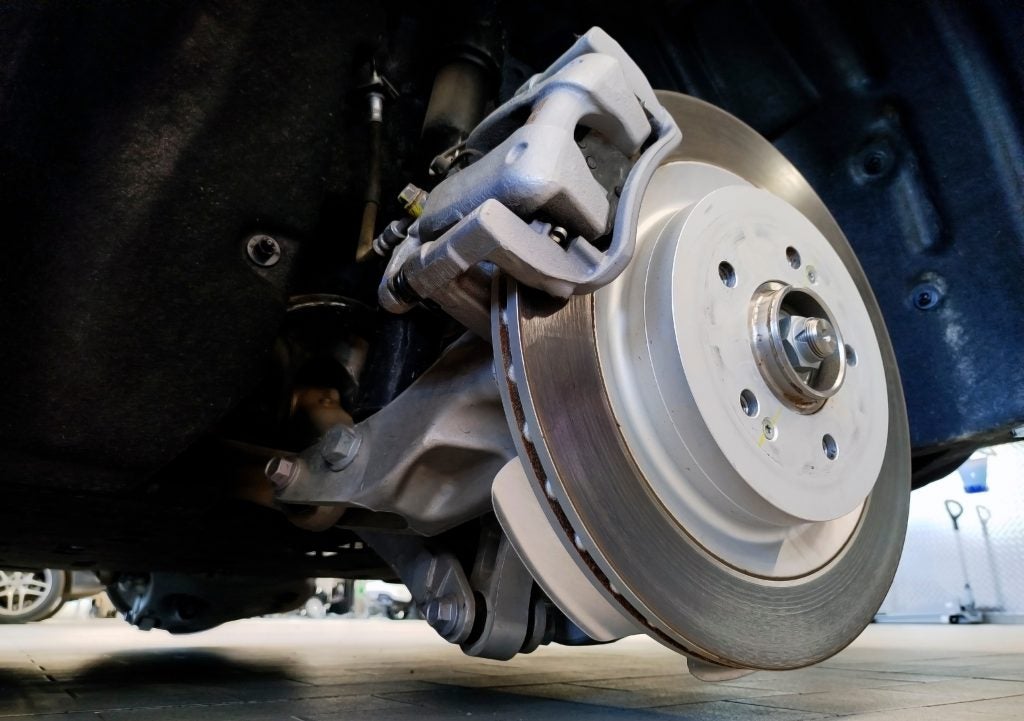
Your brakes are your Chevy's most important safety system, giving you full control over your speed. This is essential, as most accidents can be prevented if you stop in time. Brake components wear out over time, preventing your brakes from working efficiently. As your Chevy dealer, we want to give you a few signs you need to visit us for a brake inspection. more Signs You Need a Brake Inspection at Your Chevy Dealer Brake Fluid Leak Brake fluid is essential for your braking system, providing the hydraulic power that forces the brakes to work. When you hit the brakes, the pressurized fluid is forced through the brake hoses to the brake calipers. It forces the pins out of the calipers, causing them to clamp against the rotors. The brake pads inside the calipers create friction against the rotors and this stops your wheels. The fluid can leak from a rusted brake line, worn brake hose, or damaged seal. It's very difficult to spot a leak, as the fluid is thin and slightly yellowish, so it usually blends with the ground. You'll feel the lack of fluid as the brake pedal becomes less responsive. Our technicians will trace and seal the leak then we'll refill your brake fluid. Worn Brake Pads As we saw above, the brake pads force your rotors to a stop by generating friction. Each pad has a 1/2" thick rough material cover. The rotors are smooth and flat, and the reaction of a rough pad to a smooth rotor creates friction. As time passes, the friction material gradually wears off and the thinner material coverings prevent your brakes from working as efficiently as they should. Once a pad's material covering drops to 1/4" thickness, it needs replacement. The pad manufacturers install a metal spike inside the material, which only becomes visible when a pad has worn down. The spike will scratch against the rotor when you brake, producing a high-pitched screeching noise. We can quickly replace the pads and your brakes will work effectively again. Glazed Pads Glazed pads have a material covering that's turned smooth and glass-like. They're dangerous as their smooth surfaces can't produce friction, so a wheel with a glazed pad will continue to turn until brought to a stop by the other wheels. Glazing is caused by intense friction and heat caused by a pad continuously skimming a rotor surface. This can happen if you ride your brakes for long periods. It can also be caused by a damaged caliper that remains partially pressed against its rotor. We can quickly replace glazed pads, and we can repair or replace a damaged caliper if needed. If you have a brake problem, contact us today at Ted Britt Chevrolet in Sterling, VA.

Signs You Need an Oil Change

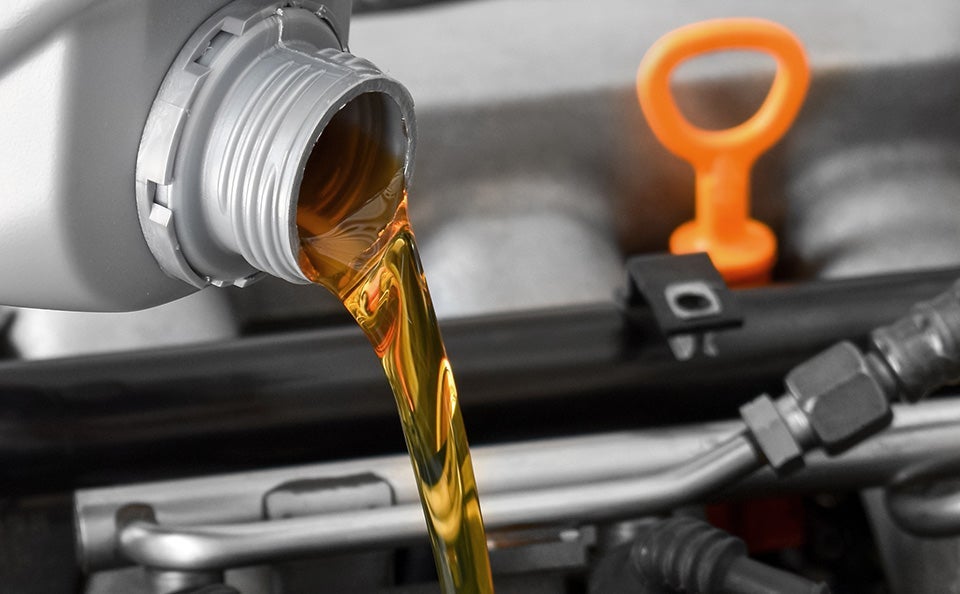
Get an oil change at Ted Britt Chevrolet with our certified service department and technicians. Your car needs regular maintenance, and that includes oil changes. Understanding when to change the oil at your Chevy dealer can prevent expensive repairs and keep your vehicle running smoothly. When to Change Your Oil Most modern Chevrolet vehicles require fresh oil every 5,000 to 7,500 miles under normal driving conditions. However, this depends on your specific model, year, and the type of oil in your car. If your Chevy is driven in severe conditions, such as frequent towing, carrying heavy loads, or stop-and-go traffic, you should change your oil more frequently. Always refer to the owner's manual for the most accurate recommendations. more Why Oil is Important Oil lubricates the moving parts of your engine, reducing friction and preventing premature wear. Keeping the oil fresh can extend the life of your engine. Oil also helps carry away heat as it circulates through your engine. Over time, old oil becomes less effective at cooling, potentially leading to overheating. You've Passed the Mileage Limit If you've driven more than 7,500 miles since the last time you changed your oil, it's time to schedule that appointment. Even if you haven't driven very much, but your last change was more than six months ago, take some time to evaluate the condition of your oil. Dark and Dirty Oil New oil is amber and transparent enough to let light through. As it gets older, it collects particles from the engine, turning dark, dirty, and thick. Check your oil color and consistency with your dipstick at least once a month to tell if you need a change. Your Engine Is Running Louder Clean oil cushions the parts of your engine so they don't grind together. If you start to hear more noise than usual from your engine, or worse, a knocking sound, the oil isn't doing its job anymore. That sound you hear is damage happening under the hood. Oil Light or Check Engine Light Modern vehicles have sensors and computer systems that monitor oil quality and levels. If the oil light or check engine light comes on, it's time to take a look at your oil, and probably schedule a service appointment. Smoke From the Exhaust Vapor coming from your tailpipe is normal. Smoke is not. Smoke coming from your exhaust means something is burning in your engine, and that something might be oil from a leak. Decreased Fuel Efficiency If you are making more frequent trips to the gas station, your car's oil might be to blame. A well-lubricated engine runs more efficiently, but one with old oil has to work harder, consuming more fuel. Regular maintenance, including changing your oil, is far less expensive than repairing your engine because you neglected it. Call Ted Britt Chevrolet and schedule your next service appointment today.