




Blog / Sterling car repair

Blog

All Sterling car repair New Chevrolet Models Sterling things to do 2024 Chevrolet in Sterling, VA Sterling, VA Chevrolet Dealer Chevrolet tech features VA Chevy SUV for sale in Sterling Car Care Tips Auto repair in Sterling Best food in Sterling Ted Britt Chevrolet Service New Chevy Truck Sterling Best SUV's for sale in Sterling Day trips near Sterling SUV Sterling Chevrolet truck 2023 Chevrolet in Sterling, VA Sterling, VA Chevrolet Service Washington DC things to do Family fun near Sterling Fun activities in Sterling Sterling outdoor things to do Virginia things to do Engine repair in Sterling Outdoor activities near Sterling Silverado Auto parts Chevy Car Electric vehicle maintenance New Chevrolet warranty Scenic places to visit near Sterling Sports car in Sterling, VA AC repair in Sterling Best restaurants near Sterling Chevy Tires Date night near Sterling, VA New tires Sterling Oil Change Suburban Battery Chevrolet electric vehicle in Sterling, VA Collision repair in Sterling Sterling alternator repair 2023 Chevrolet Malibu in Sterling, VA 2023 Chevy Tahoe in Sterling Bargain shopping in Sterling Best dessert near Sterling Birdwatching near Sterling Brake repair in Sterling Car financing Sterling Farmers Market Hiking near Sterling Hiking trails near Sterling Sports games near Sterling State parks near Sterling Sterling shopping spots Sterling VA Art Sterling, VA Used Cars 2022 Chevy Malibu in Sterling 2022 Chevy Silverado 1500 in Sterling 2022 Chevy Suburban in Sterling 2023 Chevrolet Blazer in Sterling 2025 Best smoothies near Sterling Best sushi near Sterling Best theaters near Sterling Boating destinations near Sterling Bookstores Car dent repair Corvette Stingray New headlights Waldorf Silverado 2500HD VA Art Wedding Venues near Sterling, VA
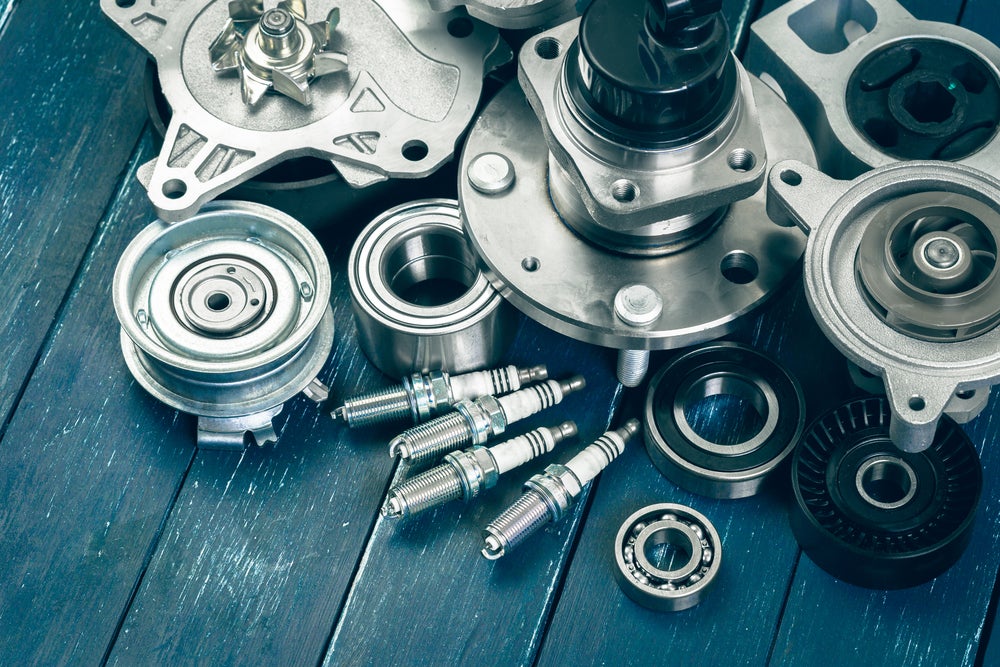
An assortment of car parts on a table. - Ted Britt Chevrolet Sterling, VA

7 Services Offered by Your Chevy Dealership

Routine trips to a trusted technician are vital for true vehicle health, performance, and longevity. With this in mind, head to your local Chevy dealer today to set up a suitable schedule for the following essential Chevy services. more 7 Services Offered by Your Chevy Dealership Change Motor Oil With all the heat and potential friction inside your engine, high-quality motor oil is crucial to lubricate parts and clean out debris. Modern motor oil tends to last 7,500 to 10,000 miles before degrading. Most drivers should have their oil changed at least twice a year to keep the engine properly protected. Top Up the Coolant Coolant is the engine's primary defense against overheating and should always be monitored. Top your coolant up when it's low and flush when it starts to age and discolor, which will typically be every two or three years. Tune Up the Engine Every aspect of your engine should be examined and finely tuned by a seasoned technician once a year. These routine tune-ups keep your car running smoothly and ensure that any engine problems are found quickly and nipped in the bud. Rotate and Change Tires The tires should be rotated twice a year to prevent excessively uneven wear. This extends tire lifespan; well-kept tires should ideally last from four to six years. Once the treads of your tires diminish to 2/32 of an inch or under, have them replaced. Inspect the Brakes For your safety, never neglect to have your brakes properly inspected twice a year. This involves removing each brake pad, rotor disc, and brake caliper to examine each part, plus careful inspection of the brake fluid and hoses. Replace Air Filters The engine's air filter usually needs to be replaced once a year, lest it clogs up, restricting the inflow of oxygen into the engine. You should also replace your cabin's air filter yearly. Service the Transmission The transmission fluid is vital for proper gearbox maintenance. Have this fluid topped up as required and periodically flushed. Your transmission should be fully serviced every 60,000 to 100,000 miles (30,000 to 60,000 miles for a manual transmission). Schedule All Chevy Services With Our Technicians In your busy daily schedule, it can be hard to remember each required service. This creates the risk of neglecting a car part, which might then start to experience problems. When you schedule services with us, we can help ensure you stay on top of it all and keep your car in tip-top condition at all times. Visit Ted Britt Chevrolet in Sterling, VA, today to arrange a convenient vehicle maintenance schedule. We offer an impressive inventory of over 500 new and pre-owned vehicles, excellent upkeep services, and personalized customer care.

A blue car in a service bay with a man holding a tablet for diagnostics. - Ted Britt Chevrolet Sterling, VA

Timing Belt Replacement: The Key to Your Chevy's Longevity

Your Chevy engine is highly efficient, and its various components work on split-second timing to achieve this performance. The timing belt synchronizes your engine's operation. As your Chevy dealer, we want to tell you more about the importance of this belt and some signs you need a timing belt replacement. more From Your Chevy Dealer: When Do You Need a Timing Belt Replacement? Why the Belt Is Important The timing belt is made from tough, reinforced rubber and connects the camshaft at the top of your engine to the crankshaft at the bottom of your engine. It moves through the grooves between the sections, ensuring that the engine intake and exhaust valves open and close at precise intervals. The engine intake valves allow the fuel-air mixture into the cylinders and the exhaust valves allow the gases and residue from combustion to enter the exhaust system. Even slight timing delays can cause engine problems. Intake valves that open too early can draw in a fuel-air mixture that hasn't been mixed precisely, and your engine will use too much fuel. In contrast, if the exhaust valves open too early, the fuel-air mixture in the cylinders won't be sufficiently compressed, and your engine will lose power. When Do You Replace the Belt? On average, a timing belt needs replacement every 60,000 to 100,000 miles. The correct replacement time for your Chevy's timing belt is listed in your car handbook. The belt needs replacement as even reinforced rubber becomes less flexible and can crack. The heat inside the engine will cause any crack to widen and deepen, and the belt could break. Signs You Need a New Belt Misfiring Misfiring is caused by the fuel-air mixture in a cylinder igniting incorrectly. The mixture must be fully compressed before it's ignited to enable it to burn in a carefully controlled series of explosions. Efficient compression can only occur in an airtight engine cylinder. As we saw above, if your engine timing is out of sync, a cylinder may open too early. Increased airflow into the cylinder will cause the cylinder to misfire. Ticking Noises If you hear an odd ticking sound from the engine, it's a sign your belt needs replacement. The timing belt turns the crankshaft pulleys as it moves, but a worn belt won't move them fast enough, resulting in the ticking sound. Check Engine Light Sensors are connected to every important component to ensure they're working correctly. An older, worn timing belt can overheat, and if it gets hot enough it can snap. This immediately causes your engine to stop and sustain damage in the process. The sensors will identify the damaged belt and inform your computer, and the engine light will illuminate. Visit our service department today at Ted Britt Chevrolet in Sterling, VA, and our technicians will check your timing belt and replace it if necessary.

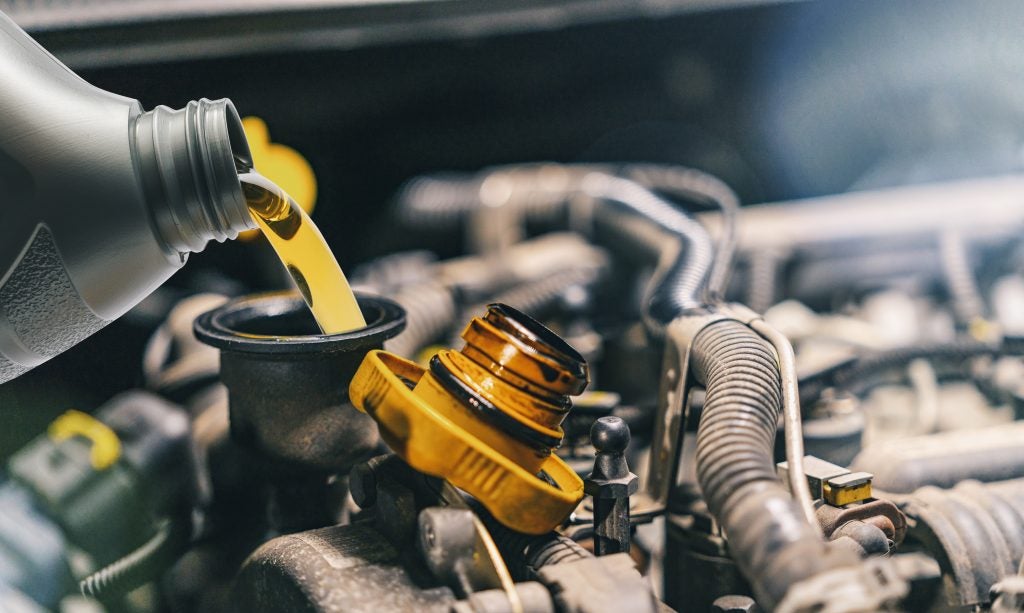
Oil being poured into a Chevrolet engine. - Ted Britt Chevrolet Sterling, VA

The Ultimate Guide to Chevy Oil Change Intervals

To keep your Chevy running the way you expect, you need to keep up the proper oil change intervals for your model. You can always find out the general intervals from your owner's manual, and when you visit your Chevy dealer, we can give you specific advice based on your unique driving habits and our knowledge of your Chevy. more The Ultimate Guide to Chevy Oil Change Intervals For most modern Chevys, the right oil change interval is 7,000 to 10,000 miles. The precise interval for your model could be different from this, especially if you have an older Chevy. It also matters whether you're using synthetic oil or traditional oil. Traditional oil is cheaper initially, but since it has to be changed every 3,000 to 5,000 miles maximum, in the long run it doesn't actually save much. Also, bear in mind that the performance specs of modern Chevrolets are usually based on the assumption that you're using synthetic oil. You also want to remember that you'll need to get the oil changed out according to the intervals in your warranty if you want to keep the powertrain warranty valid. There's a reason for those requirements: oil is so important that regular changes are the only way to be sure that your engine performs in the way that Chevy guarantees. Your Driving Habits When you drive and where you drive can make a difference to your intervals. If you regularly drive short trips of less than 5 miles, and particularly if you don't give your engine time to warm up before you leave, this is going to degrade your oil more quickly and may also harm your engine. There's a lot of misinformation out there to the effect that there's no need to warm up your car at all, and this is usually something that well-meaning people will say because they are worried about pollution and emissions. It's true that you don't have to warm up your car for the long amounts of time needed in the past, mostly because of improvements in carburetors and oil, but it still does need a few seconds to get going. In a modern car, 30 seconds should be plenty most of the time. However, if the temperatures are below freezing, give it two minutes. The goal is to hit the sweet spot of just enough warming up to improve lubrication, hydraulic function, and fuel vaporization, while not wasting fuel. Book Routine Oil Changes With Your Chevy Dealer The best way to find out the right intervals for your car is to talk to a Chevy train technician who knows it inside and out. Once we get to know your vehicle and your driving habits, we'll make sure your oil is always fresh and your engine is always safe. If it's time for fresh oil, make an appointment with us at Ted Britt Chevrolet in Sterling, VA today.

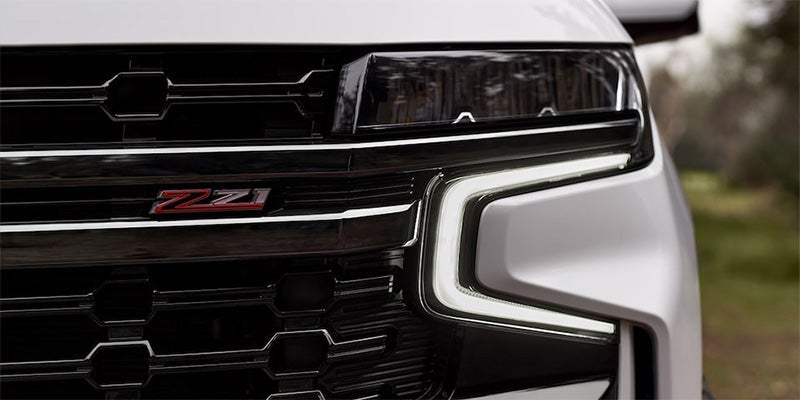
Close-up shot of a white 2024 Chevrolet Tahoe's front driver side headlight and grill. - Ted Britt Chevrolet Sterling, VA

3 Services Offered by Your Chevy Dealer

As your Chevy dealer, we offer a complete range of services to ensure your vehicle always works at its best. Servicing improves your Chevy's performance and reduces future repairs. We want to tell you about a few of the types of Chevy service we provide. more 3 Types of Chevy Service Available at Your Chevy Dealer Radiator Servicing The radiator is the heart of your Chevy's cooling system. Engine heat is absorbed by liquid coolant and transported to the radiator when the heat is removed by airflow through the radiator grille. A radiator operates at high temperatures and pressure, and over time, this causes parts to wear out or get damaged. A service restores the radiator's health and allows it to continue to work efficiently. During a service, we examine and test all the cooling system's components, ranging from the thermostat to the water pump. The system, including the radiator hoses, is tested for leaks to ensure that it remains airtight to keep the coolant pressurized. We drain the old coolant and replace it, and we also ensure the radiator is clean, debris-free, and working smoothly. Tire Rotations The tires are one of the hardest working parts on your Chevy. They're subject to continuous wear and tear due to surface friction. In addition, they are gradually weakened by exposure to water, mud, and UV rays. Each tire suffers additional wear on certain areas depending on the tire's position on your vehicle. A tire rotation helps to reduce wear damage by shifting each tire to a new position. The new positions the tires move to depend on the type of drivetrain you have. This equalizes wearing and helps all your tires to wear down at a relatively uniform​​​​​​​​​​​​​​​​​​​​​​​​​​​​ rate. Reducing tire damage allows your tires to last longer, giving you more time to prepare for their eventual replacement. Fluid Checks Your Chevy has a wide range of fluids that keep the engine clean, control its temperature, and allow the transmission and brakes to work effectively. All fluids lose their effectiveness over time, and some older fluids can even cause engine damage if they're not replaced. The most important fluids in your Chevy, after the fuel, are engine oil, transmission fluid, power steering fluid, coolant, and brake fluid. Our technicians will check all your fluid levels and top them up if necessary. If a fluid needs replacement, we'll drain the old fluid and refill it. Some fluids, like transmission fluid and engine oil, have filters, and we replace their filters when we replace the fluid. Fresh fluids allow your vehicle's systems to operate more efficiently, reducing wear and tear and extending your Chevy's life. Book your next service today by contacting us at Ted Britt Chevrolet in Sterling, VA.

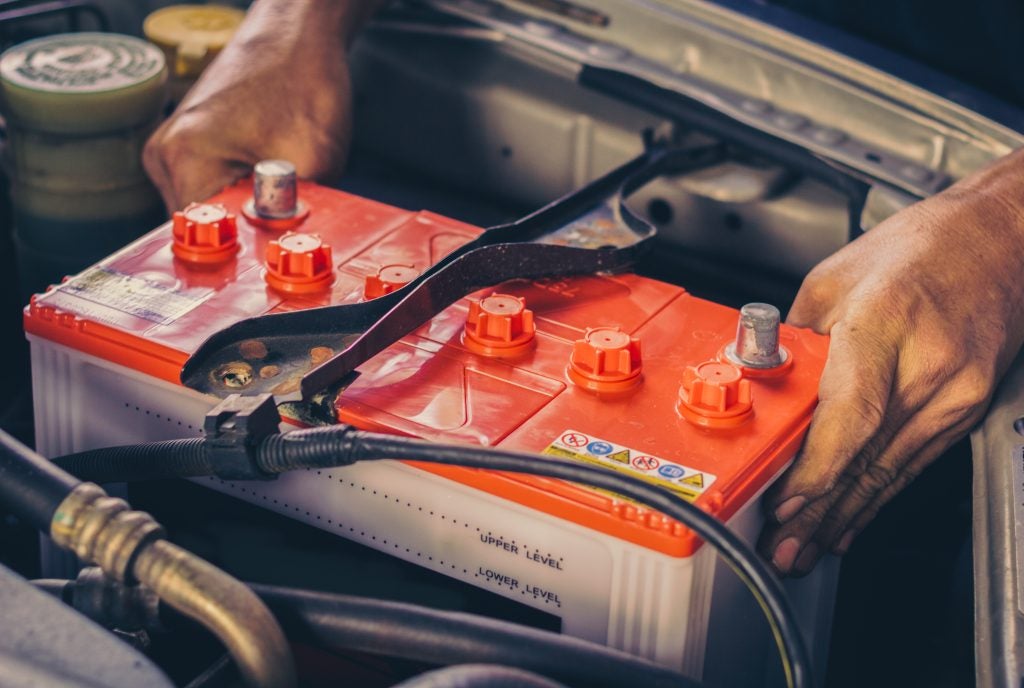
A mechanic placing a new battery into the engine bay of a vehicle. - Ted Britt Chevrolet Sterling, VA

3 Signs Your Chevy Needs a New Car Battery

The battery provides the power that starts your engine, and it maintains your Chevy's systems when the engine is switched off. As time passes, your battery will weaken and eventually fail. As your Chevy dealer, we'd like you to know a few signs you need to visit us for a new car battery. more 3 Signs You Need a New Car Battery From Your Chevy Dealer Short Driving Distances Regularly driving short distances can damage your battery and cause it to fail. The battery sends a powerful electrical charge to the starter when you hit the start button, which cranks the engine and begins the combustion process. The electrical charge uses a large portion of the battery's reserves, and this lost electricity is replaced by the alternator once your engine is running. The alternator doesn't recharge the battery at full power. After an initial full charge for ten minutes, the alternator switches to recharging at 10% of capacity until the battery is replenished. If you routinely drive only short distances, the battery will steadily weaken as it never sufficiently recharges. We'll test your battery, and if it's still in good condition, this issue can be fixed by driving your Chevy for at least one hour once a week. Dim Headlights Dim headlights usually mean that your headlight bulbs are weakening and will fail. They can also mean the bulbs aren't receiving enough electricity to shine brightly. You can test this hypothesis by checking the bulb's luminosity when the engine is switched off, then switching the engine on and rechecking the bulb's brightness. If the bulbs are dim under both conditions, they're probably wearing out, and we can replace them. If the bulbs are brighter when the engine is running, your battery is weakening. We'll test your battery using our computerized battery tester. This machine will identify any weakness in the battery and estimate its remaining life. If your battery is very weak, we can replace it to fix this issue. Illuminated Battery Light The battery light on your dash warns of any problems in your electrical system. The electrical system contains many sensors, each connected to an important component. The sensors monitor their connected components and will inform your computer if they detect any problem with their component. Your computer will log the problem and then illuminate the battery light. We diagnose this problem by connecting your computer to a diagnostic scanner. The scanner can read error codes on the computer, and our technicians will use this information to pinpoint the cause of the problem so we can repair it. Once the issue is fixed, the warning light will go out. If you have a battery problem, contact our service department at Ted Britt Chevrolet in Sterling, VA.

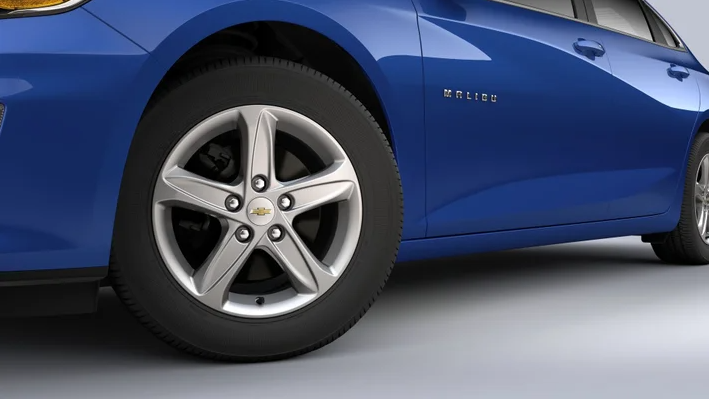
2023 Midnight Blue Chevrolet Malibu's driver side doors and tires. - Ted Britt Chevrolet Sterling, VA

Maximizing Tire Life: Tips for Your Chevy

Your tires will gradually wear out and will eventually need replacement. While it's impossible to prevent tire wear, you can reduce its impact on your tires and delay the need to replace them. As your Chevy dealer, we want to give you a few tips on tire maintenance that will help prevent avoidable early tire replacement. more Tire Maintenance Tips From Your Chevy Dealer Check Tire Pressure Regularly Regularly checking your tire pressure helps keep your tires in good condition. Your front and rear tires have specific pressure requirements, and their pressures are listed in your car manual. They can also be found on a sticker or a metal plate in the inside door jamb on the front passenger side door. Tires that are correctly pressurized will suffer less surface friction damage. Underinflated tires droop slightly, exposing the softer and weaker sidewalls to fiction. In this situation, you'll see excessive smooth bands of wear around the outer edges of the tread and lower sections of the sidewalls. Overinflated tires, in contrast, show excessive wearing in the center of the tread, as the increased pressure pulls the outer edges of the tire away from the surface. We can test your tire pressure and correct it within minutes. Tire Rotations The tire tread gradually wears down. Some of the wear is naturally occurring due to constant contact with the surface, but other factors can also cause wear damage. Wheel misalignment or incorrect tire balances increase damage to specific sections of the tread. Tires also develop increased wear due to their position on your Chevy. A tire rotation will reduce wear damage, as each tire is moved to a new position. The positions the tires move to depend on your drivetrain. Moving the tires to new positions spreads wear and tear more evenly across the tires and extends their life. Our technicians can easily rotate your tires for you. Look For Damage Sharp objects on the road can penetrate a tire surface and cause a leak. A bubble could form on the sidewall of a tire that has been pinched against a hard object. The tire bubble is easily noticeable, and it makes the tire potentially dangerous to drive on. The air inside a tire heats up as you drive, and if the air in the bubble heats up enough it can burst and cause a blowout. Tire cracks can develop on the surface of older tires, as the rubber gradually loses its flexibility. Once a crack forms, it will widen and deepen and eventually cause a leak. We can repair leaks caused by sharp objects, but tire bubbles and cracks can't be repaired. We'll remove the damaged tires and install and balance new ones for you. If you'd like to know more about maintaining your tires, contact us today at Ted Britt Chevrolet in Sterling, VA.

Why Your Chevrolet Dealership Offers the Best Quality Collision Repair

Why Your Chevrolet Dealership Offers the Best Quality Collision Repair

When your car is damaged, you always have the choice between a regular repair shop or your Sterling Chevrolet dealer for collision repair. Your car is an investment, and you want to preserve and protect it. We'd like to give you some of the many reasons why your dealer is always the first and best choice for all your Chevy repairs. Expert Technicians Our technicians are highly trained and experienced. Each technician completes training and then attends advanced training at the Chevrolet factory. Their specialized training encompasses the full range of Chevy vehicles. The graduates of this advanced training program are experts in Chevy repairs and continue their training through regular courses on new Chevy models and technologies. more In contrast, a regular mechanic will have been trained but won't possess this advanced training. Regular mechanics perform repairs and servicing on all vehicles. This generalist approach, however, prevents them from attaining the level of knowledge and understanding of our technicians. A regular mechanic usually takes longer to identify and repair a problem, and there is always the potential for a mistake. Advanced Equipment As a dealer, we have the most up-to-date equipment available for repairs and maintenance. This advanced level of technology provides our technicians will all the tools they require for a perfect repair. The equipment is regularly tested and updated to ensure its accuracy and precision. We also have computer links to Chevrolet for the near-instant supply of information or necessary repair components. A regular repair shop won't have the same level of technology available. Many of our machines cost hundreds of thousands of dollars, putting them beyond most repair shops' budgets. Without access to the latest repair and diagnostic equipment, a regular mechanic will have increased difficulty performing a perfect repair. Genuine Chevrolet Parts Repairing your car requires not only expert technicians and advanced equipment, but also requires the best parts. We only use genuine Chevy parts, as these are identical to the parts that were used to manufacture your car. Chevy parts undergo rigorous testing and certification requirements to meet the accepted standards of safety, efficiency, and reliability. Only a genuine Chevy component can meet all these standards. A regular repair shop will usually offer you generic parts. Independent companies make generic parts. They're designed to fit a variety of makes and models. These parts don't carry a warranty, nor are they guaranteed to fit precisely. A generic part also has a shorter lifespan than a genuine part. Our repair center can return your car to like-new condition. If you'd like to know more about our repairs or want to book a repair, call us today at Ted Britt Chevrolet. Image courtesy of Pixabay.com

6 Car Maintenance Tips From Your Chevy Dealer To Keep Your Car in Great Shape for Years

6 Car Maintenance Tips From Your Chevy Dealer To Keep Your Car Lasting for Years

Regular car maintenance from your Sterling car dealership will keep your Chevy running smoothly for much longer. Below are tips from your Chevy dealer to keep your Tahoe, Suburban, or Silverado in great shape and avoid unnecessary and expensive repair costs. Change the Oil on Schedule Regular oil changes will keep the critical engine parts well lubricated to prevent friction and prolong the life of your engine. It's crucial to change the oil at the factory-recommended oil change intervals or when the Oil Life Monitor alerts you. You will find all the information on your vehicle's oil changes and the correct oil in your owner's manual, or you can ask your Chevrolet technician. more Never Ignore the Warning Lights If a warning light on your dashboard goes on, something is wrong. Get your car to your Chevrolet technician as soon as possible to prevent more damage that could cost you a bundle to fix. Check the Fluids Regularly Your car needs different fluids to help cool down and lubricate the parts to reduce friction. Check the fluid levels at least once a month to ensure that the oil, coolant, transmission, brake, and washer fluids are at the correct levels, and top them off if needed. Also, look at the color and consistency of the fluids and if you notice discoloration, ask your technician to replace the fluid. Clean the Battery Terminals If you see buildup around the battery terminals, clean it off with a brush and a mixture of baking soda and water. Check the battery case and replace it if it's swollen or cracked. Get your battery regularly tested when it's three years or older to determine if it still holds a reasonable charge. Maintain the Tires Check the tire pressure regularly and inflate all the tires and your spare to the correct PSI to reduce tread wear and increase fuel efficiency. Inspect your tires once a month for damage and check the tread depth. These are signs that it's time to replace your tires. Regular tire rotations will ensure that your tires wear down evenly and last longer. Protect the Interior and Exterior Always park under cover or in a garage to protect your car's interior and exterior from the elements. Wash your car regularly to eliminate dirt and grime that will cause scratches, allowing rust to set in, and wax your car twice a year to protect the paint. The best you can do for your Chevy is regular maintenance to improve your gas mileage and keep your engine running smoothly. To enjoy every mile in your Chevy, call Ted Britt Chevrolet today to make a maintenance appointment, and our qualified technicians will help you take expert care of your car. Image courtesy of Pixabay.com

Signs You Should Replace Your Brake Pads in Sterling

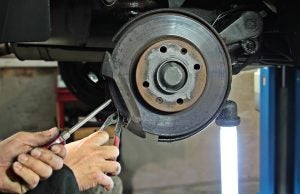
If you've been driving around with squeaky or grinding brakes, you may need new brake pads. Don't ignore these noises! Here are a few signs that you need brake service from your Chevy dealer: It's Hard To Stop Your Vehicle If you find yourself having to press your brake pedal harder than usual, or if it takes longer for your vehicle to come to a complete stop, then you could need new pads. more When braking, you should be able to tap the brakes lightly and still have them work effectively. If this isn't the case and you need to press harder just so your vehicle will stop, your pads are worn out and need replacement, or you need other brake repairs. Your Brakes Make a Grinding Noise When You Press on Them If you hear grinding noises when you apply the brakes, you should bring your car to the dealership. Your pads will make grinding noises when the caliper and brake disc rub each other. The metal is exposed when the pads are worn down, resulting in a grinding noise. Brake Wear Indicator Is Triggered The brake wear indicator lets you know when your pads need replacing. These metal wear indicators are built into certain sections of the pad and make squealing noises as the friction surface wears down. The sound of the pads wearing down will get louder as they get closer to failure. If you hear any noises when applying your brakes, you should have the brakes checked out immediately. Your Brakes Vibrate When You Press the Brake Pedal Your brake pedal could also vibrate when you press it. This vibration happens because the rotors are worn out and are coming in contact with the calipers. Very minor variations on the rotor's surface can cause these pulses and vibrations. Dirt, rust, and oil on the rotors can also cause vibrations. Vibrations can also be caused when the pads are not fully released when you take your foot off the brake. This causes friction and can eventually cause damage to the rotors if not repaired. Warped and uneven rotors can also cause brake vibrations or, if significant, may cause the car to shake. You may also hear squeaking along with the shaking. Schedule a Service Appointment If you're experiencing any of these signs, it's time to schedule a service appointment to replace your brakes in Sterling. One of our technicians will inspect your brakes and let you know if they need to be replaced or if there's a simple fix. If you have any questions about your brake system or any other automotive needs, contact Ted Britt Chevrolet today. We'll diagnose your problem and get you back on the road right away!

Is Your Car AC Not Working? Swing By Your Sterling Chevy Dealer Today

Is Your Car AC Not Working? Swing By Your Sterling Chevy Dealer Today

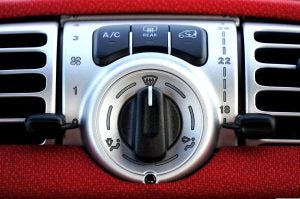
It's summer, and that means that the temperature is rising! The summer months can be some of the best times of the year since the kids are out of school and everyone is going on vacation, but if you get into the car and find your car AC not working, you're going to wish it was winter already! There are a few reasons why your AC might fail, but your Chevy dealer can help you fix all of them. You Might Have a Coolant Leak In order to fully understand what might be going wrong with your car's AC, it is helpful to know what makes it work correctly. Similar to certain refrigerator models, your car AC cools down the air by using a coolant liquid. This liquid is usually freon. The freon cools down the air, which is then sent to the cabin, and then the freon is cooled back down to be used again. more As the most important part of the AC system, if anything goes wrong with the freon your AC will stop working. One common failure is leaks that cause your coolant to run out. It is possible to examine your car's AC and determine if a leak is present, but we recommend bringing it to a Chevy technician who can more accurately diagnose the problem before fixing it. Your Fans Could Be Broken After the air has been cooled by the freon, it is blown out of the vents and into the cabin by electric fans. Since they run on electric power, it is possible for the cables that supply them with electricity to fail. They can fray, which will interrupt the electric signals that power them. One way to know that this is happening is if you turn on the AC and no air comes out. Alternatively, you might hear some clanking or clicking noises when you turn on the fans, which indicates that there is something blocking them. A Chevy mechanic can fix this for you! Your Condenser Is Blocked Your car uses fresh air from outside to cool down the freon so that it can be reused again and again. This air passes through the grille, so if debris flies off the road and gets stuck in the grille, the freon won't be able to be properly cooled. If your air is only slightly cool, this could be your problem. If you're tired of your AC not working in your car, don't sweat! Come in to Ted Britt Chevrolet and our talented technicians will diagnose and fix your problem to get you back to driving comfortably in no time. Get your AC repair scheduled in Sterling today! Image courtesy of Pixabay.com

Signs You Need an Alternator Repair at Your Chevy Dealer

The alternator in your Chevy produces the electrical power to maintain all of your car's components and devices. It generates power through the movement of the crankshaft, and it supplies this power via a network of wires and cables. Your alternator will eventually wear out and it will need to be replaced. As your Chevy dealer, we can repair or replace the alternator for you. These are signs that you're going to need an alternator repair. Damaged Battery A damaged battery can cause your alternator to wear out. When your engine is running, your alternator automatically starts recharging your battery. An alternator doesn't charge at full capacity to protect itself against wear. Your battery will be charged at 100% for five minutes, and then the alternator switches to charging at 10% of your battery capacity. more If your battery is wearing out, it won't send a signal back to the alternator that it's received a charge. Your alternator will then continue to charge your battery at full capacity while it waits for confirmation from the battery. An alternator isn't designed to use so much power for a continuous period. Your alternator will overstrain and suffer damage. Dead Battery Every driver hates the idea of a dead battery, and it will always happen at the worst possible time. Sometimes the battery may have worn out due to age, and replacing it will fix the problem. At other times, however, there could be a problem with the recharging system or your alternator. If your battery isn't continually recharged, it will die. A weakening alternator supplies less power, and this reduced power can lead to a dead battery. A large part of your battery's power is used to start your car. To work correctly, the power used must be replaced by more power from the alternator. Each time a weak alternator charges the battery, the amount recharged will reduce. Your battery will run out of power and die. Our technicians will test the alternator and replace it if necessary. Flickering Headlights Headlights should have a constant and consistent beam. If the headlights begin to flicker, this suggests a problem with the lights or the charging system. One of the signs of a failing bulb is constant flickering before it fails. This failure is expected if your bulbs are old. Flickering bulbs that are relatively new, however, suggest an alternator problem. The reduced power output from a weak alternator means that power has to be allocated to components on demand. This lack of constant power will cause power fluctuations. Headlight bulbs are particularly sensitive to power disturbances, and they will begin to flicker. Our technicians will test your bulbs, alternator, and electrical system and fix the problem. Your alternator will slowly fail, and the signs it shows will give you time to get a replacement. If you're concerned about your alternator, call our service department at Ted Britt Chevrolet. Our experts will find and fix the problem for you.

Visit Your Chevy Dealer for a Brake Repair

Visit Your Chevy Dealer for a Brake Repair

Not sure if your brakes need to be repaired? Find out with our blog and schedule your brake repair at your local Chevy dealership. Your Chevy's brakes are vital for keeping you, your passengers, and other drivers safe. They allow you to control your speed at any time. Brake components can suffer metal fatigue, leaks, or other damage, and this will compromise your braking system. Your Chevy dealer is on hand to help you when you need your next brake repair in Sterling. These are some problems to be aware of that your brakes need to be checked. Screeching Brakes When you mash the brakes, the master brake cylinder release brake fluid into the hoses. This fluid is pressurized, and as it travels down the hoses it exerts hydraulic pressure on the calipers. The calipers are attached just above your wheel rotors, and due to the pressure, they will close on either side of the wheel rotors. The brake pads inside the calipers have a special friction coating that improves the stopping ability of your brakes. more This friction covering starts to wear off from the first time the new pads are used. Over time, this covering will wear thin. When it reaches 1/8" thick, a piece of metal will be revealed. This metal piece will scrape against the rotors the next time you apply your brakes. The horrible screeching noise that follows is an audible reminder that it's time to change those pads. Hot Brake Fluid If you're facing the prospect of frequent, last-minute braking in hot conditions, it's important to know the effect on your brakes. As brake fluid gets older, it doesn't perform as well as it previously did. When you apply the brakes, the fluid is forced down the hoses. The brake fluid is pressurized, which increases its heat. Constant braking will lead to the brake fluid heating up. The old brake fluid isn't able to cool down, and it can start to boil. Boiling brake fluid releases a nasty burning chemical smell that's very distinctive. Not only is the smell bad, but the safety of you and your car are affected too. Boiling brake fluid loses the hydraulic properties you need for your brakes to work. If you smell a hot chemical smell and your brakes aren't working properly, pull over and call us right away. Grinding Brakes If your brake pads aren't replaced when they start to screech, they will continue to wear down. Once the friction covering has worn off, the bare metal of the brake pads is exposed. When you use the brakes, the metal of the pads will dig into the metal of the wheel rotors. This produces a horrible grinding sound as the pads begin damaging your rotors. A grinding sound means you should pull over and call our service department ASAP. If you continue to drive without replacement brake pads, you risk damaging the rotors. Damaged rotors can be time-consuming and expensive to replace. If you have any problems with your brakes, call us immediately at Ted Britt Chevrolet and our technicians will repair them for you.

Contact Us

Fill out this form below and we'll contact you shortly
*Required Fields