



Blog / Sterling, VA Chevrolet Service

Blog

All Sterling, VA Chevrolet Service New Chevrolet Models Sterling things to do 2024 Chevrolet in Sterling, VA Sterling, VA Chevrolet Dealer Chevrolet tech features VA Chevy SUV for sale in Sterling Car Care Tips Auto repair in Sterling Best food in Sterling Ted Britt Chevrolet Service Sterling car repair New Chevy Truck Sterling Best SUV's for sale in Sterling Day trips near Sterling SUV Sterling Chevrolet truck 2023 Chevrolet in Sterling, VA Washington DC things to do Family fun near Sterling Fun activities in Sterling Sterling outdoor things to do Virginia things to do Engine repair in Sterling Outdoor activities near Sterling Silverado Auto parts Chevy Car Electric vehicle maintenance New Chevrolet warranty Scenic places to visit near Sterling Sports car in Sterling, VA AC repair in Sterling Best restaurants near Sterling Chevy Tires Date night near Sterling, VA New tires Sterling Oil Change Suburban Battery Chevrolet electric vehicle in Sterling, VA Collision repair in Sterling Sterling alternator repair 2023 Chevrolet Malibu in Sterling, VA 2023 Chevy Tahoe in Sterling Bargain shopping in Sterling Best dessert near Sterling Birdwatching near Sterling Brake repair in Sterling Car financing Sterling Farmers Market Hiking near Sterling Hiking trails near Sterling Sports games near Sterling State parks near Sterling Sterling shopping spots Sterling VA Art Sterling, VA Used Cars 2022 Chevy Malibu in Sterling 2022 Chevy Silverado 1500 in Sterling 2022 Chevy Suburban in Sterling 2023 Chevrolet Blazer in Sterling 2025 Best smoothies near Sterling Best sushi near Sterling Best theaters near Sterling Boating destinations near Sterling Bookstores Car dent repair Corvette Stingray New headlights Waldorf Silverado 2500HD VA Art Wedding Venues near Sterling, VA
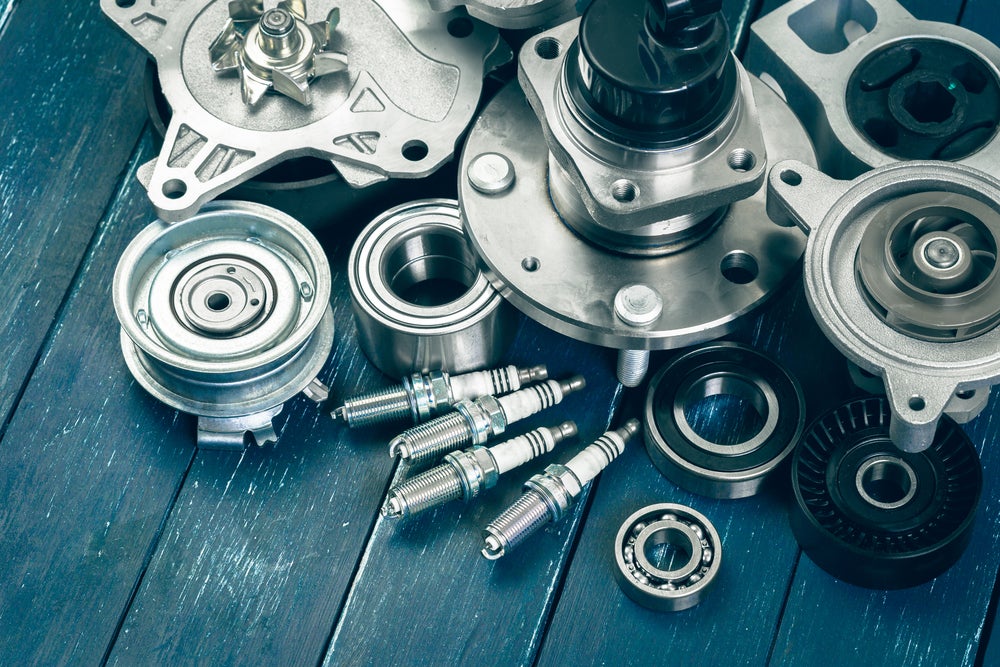
An assortment of car parts on a table. - Ted Britt Chevrolet Sterling, VA

7 Services Offered by Your Chevy Dealership

Routine trips to a trusted technician are vital for true vehicle health, performance, and longevity. With this in mind, head to your local Chevy dealer today to set up a suitable schedule for the following essential Chevy services. 7 Services Offered by Your Chevy Dealership Change Motor Oil With all the heat and potential friction inside your engine, high-quality motor oil is crucial to lubricate parts and clean out debris. Modern motor oil tends to last 7,500 to 10,000 miles before degrading. Most drivers should have their oil changed at least twice a year to keep the engine properly protected. Top Up the Coolant Coolant is the engine's primary defense against overheating and should always be monitored. Top your coolant up when it's low and flush when it starts to age and discolor, which will typically be every two or three years. Tune Up the Engine Every aspect of your engine should be examined and finely tuned by a seasoned technician once a year. These routine tune-ups keep your car running smoothly and ensure that any engine problems are found quickly and nipped in the bud. Rotate and Change Tires The tires should be rotated twice a year to prevent excessively uneven wear. This extends tire lifespan; well-kept tires should ideally last from four to six years. Once the treads of your tires diminish to 2/32 of an inch or under, have them replaced. Inspect the Brakes For your safety, never neglect to have your brakes properly inspected twice a year. This involves removing each brake pad, rotor disc, and brake caliper to examine each part, plus careful inspection of the brake fluid and hoses. Replace Air Filters The engine's air filter usually needs to be replaced once a year, lest it clogs up, restricting the inflow of oxygen into the engine. You should also replace your cabin's air filter yearly. Service the Transmission The transmission fluid is vital for proper gearbox maintenance. Have this fluid topped up as required and periodically flushed. Your transmission should be fully serviced every 60,000 to 100,000 miles (30,000 to 60,000 miles for a manual transmission). Schedule All Chevy Services With Our Technicians In your busy daily schedule, it can be hard to remember each required service. This creates the risk of neglecting a car part, which might then start to experience problems. When you schedule services with us, we can help ensure you stay on top of it all and keep your car in tip-top condition at all times. Visit Ted Britt Chevrolet in Sterling, VA, today to arrange a convenient vehicle maintenance schedule. We offer an impressive inventory of over 500 new and pre-owned vehicles, excellent upkeep services, and personalized customer care.

A blue car in a service bay with a man holding a tablet for diagnostics. - Ted Britt Chevrolet Sterling, VA

Timing Belt Replacement: The Key to Your Chevy's Longevity

Your Chevy engine is highly efficient, and its various components work on split-second timing to achieve this performance. The timing belt synchronizes your engine's operation. As your Chevy dealer, we want to tell you more about the importance of this belt and some signs you need a timing belt replacement. From Your Chevy Dealer: When Do You Need a Timing Belt Replacement? Why the Belt Is Important The timing belt is made from tough, reinforced rubber and connects the camshaft at the top of your engine to the crankshaft at the bottom of your engine. It moves through the grooves between the sections, ensuring that the engine intake and exhaust valves open and close at precise intervals. The engine intake valves allow the fuel-air mixture into the cylinders and the exhaust valves allow the gases and residue from combustion to enter the exhaust system. Even slight timing delays can cause engine problems. Intake valves that open too early can draw in a fuel-air mixture that hasn't been mixed precisely, and your engine will use too much fuel. In contrast, if the exhaust valves open too early, the fuel-air mixture in the cylinders won't be sufficiently compressed, and your engine will lose power. When Do You Replace the Belt? On average, a timing belt needs replacement every 60,000 to 100,000 miles. The correct replacement time for your Chevy's timing belt is listed in your car handbook. The belt needs replacement as even reinforced rubber becomes less flexible and can crack. The heat inside the engine will cause any crack to widen and deepen, and the belt could break. Signs You Need a New Belt Misfiring Misfiring is caused by the fuel-air mixture in a cylinder igniting incorrectly. The mixture must be fully compressed before it's ignited to enable it to burn in a carefully controlled series of explosions. Efficient compression can only occur in an airtight engine cylinder. As we saw above, if your engine timing is out of sync, a cylinder may open too early. Increased airflow into the cylinder will cause the cylinder to misfire. Ticking Noises If you hear an odd ticking sound from the engine, it's a sign your belt needs replacement. The timing belt turns the crankshaft pulleys as it moves, but a worn belt won't move them fast enough, resulting in the ticking sound. Check Engine Light Sensors are connected to every important component to ensure they're working correctly. An older, worn timing belt can overheat, and if it gets hot enough it can snap. This immediately causes your engine to stop and sustain damage in the process. The sensors will identify the damaged belt and inform your computer, and the engine light will illuminate. Visit our service department today at Ted Britt Chevrolet in Sterling, VA, and our technicians will check your timing belt and replace it if necessary.

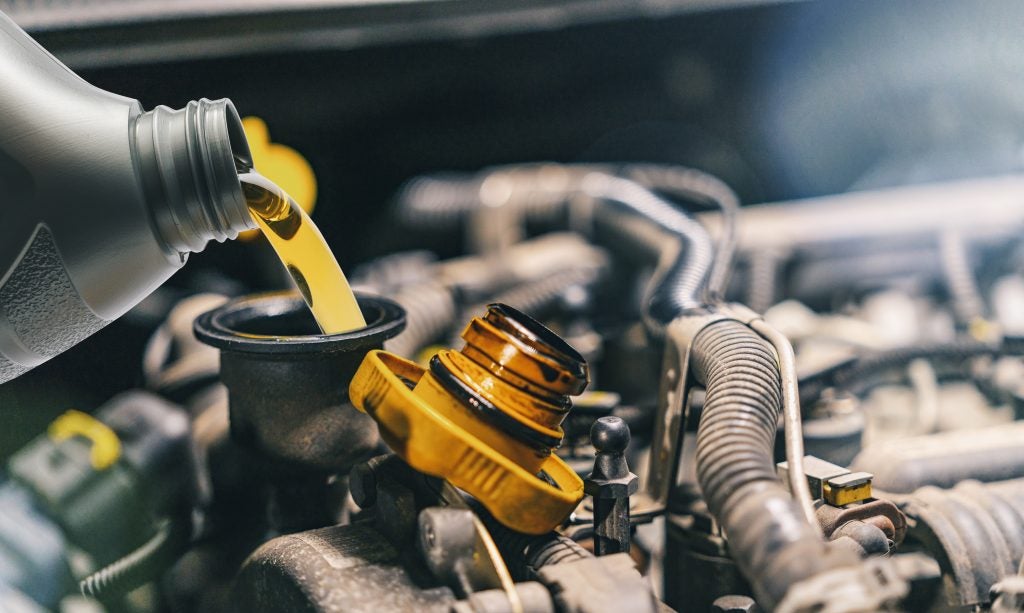
Oil being poured into a Chevrolet engine. - Ted Britt Chevrolet Sterling, VA

The Ultimate Guide to Chevy Oil Change Intervals

To keep your Chevy running the way you expect, you need to keep up the proper oil change intervals for your model. You can always find out the general intervals from your owner's manual, and when you visit your Chevy dealer, we can give you specific advice based on your unique driving habits and our knowledge of your Chevy. The Ultimate Guide to Chevy Oil Change Intervals For most modern Chevys, the right oil change interval is 7,000 to 10,000 miles. The precise interval for your model could be different from this, especially if you have an older Chevy. It also matters whether you're using synthetic oil or traditional oil. Traditional oil is cheaper initially, but since it has to be changed every 3,000 to 5,000 miles maximum, in the long run it doesn't actually save much. Also, bear in mind that the performance specs of modern Chevrolets are usually based on the assumption that you're using synthetic oil. You also want to remember that you'll need to get the oil changed out according to the intervals in your warranty if you want to keep the powertrain warranty valid. There's a reason for those requirements: oil is so important that regular changes are the only way to be sure that your engine performs in the way that Chevy guarantees. Your Driving Habits When you drive and where you drive can make a difference to your intervals. If you regularly drive short trips of less than 5 miles, and particularly if you don't give your engine time to warm up before you leave, this is going to degrade your oil more quickly and may also harm your engine. There's a lot of misinformation out there to the effect that there's no need to warm up your car at all, and this is usually something that well-meaning people will say because they are worried about pollution and emissions. It's true that you don't have to warm up your car for the long amounts of time needed in the past, mostly because of improvements in carburetors and oil, but it still does need a few seconds to get going. In a modern car, 30 seconds should be plenty most of the time. However, if the temperatures are below freezing, give it two minutes. The goal is to hit the sweet spot of just enough warming up to improve lubrication, hydraulic function, and fuel vaporization, while not wasting fuel. Book Routine Oil Changes With Your Chevy Dealer The best way to find out the right intervals for your car is to talk to a Chevy train technician who knows it inside and out. Once we get to know your vehicle and your driving habits, we'll make sure your oil is always fresh and your engine is always safe. If it's time for fresh oil, make an appointment with us at Ted Britt Chevrolet in Sterling, VA today.

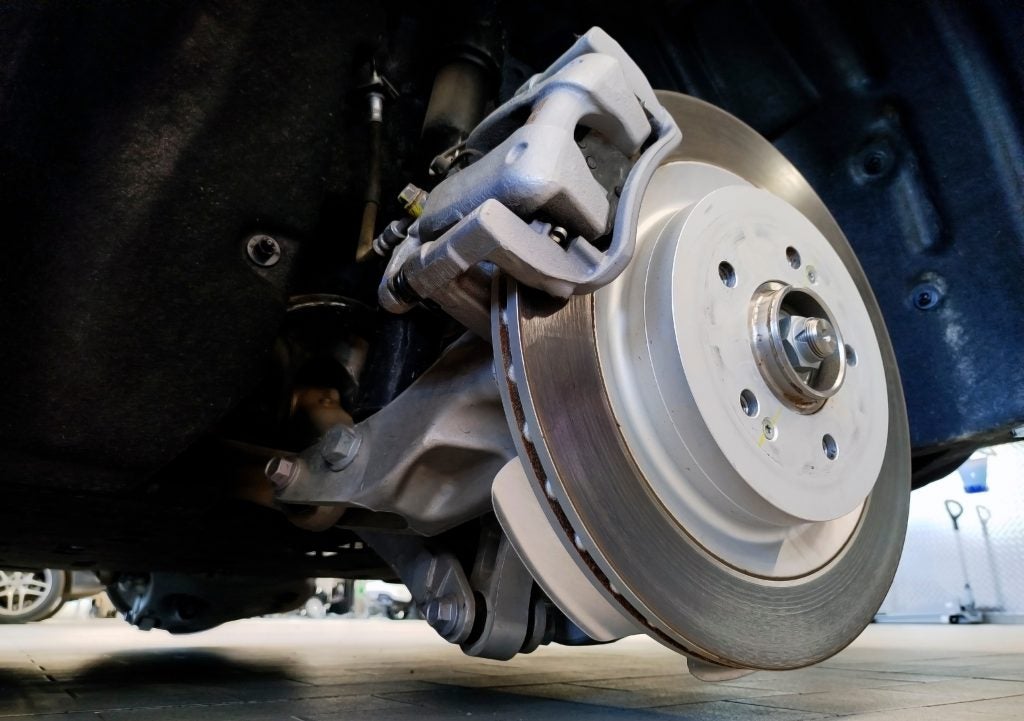
Close up photo of a vehicle's braking pads. - Ted Britt Chevrolet Sterling, VA

Regular Brake Inspections: Keeping Your Chevy Safe

Your brakes are your Chevy's most important safety system, giving you full control over your speed. This is essential, as most accidents can be prevented if you stop in time. Brake components wear out over time, preventing your brakes from working efficiently. As your Chevy dealer, we want to give you a few signs you need to visit us for a brake inspection. Signs You Need a Brake Inspection at Your Chevy Dealer Brake Fluid Leak Brake fluid is essential for your braking system, providing the hydraulic power that forces the brakes to work. When you hit the brakes, the pressurized fluid is forced through the brake hoses to the brake calipers. It forces the pins out of the calipers, causing them to clamp against the rotors. The brake pads inside the calipers create friction against the rotors and this stops your wheels. The fluid can leak from a rusted brake line, worn brake hose, or damaged seal. It's very difficult to spot a leak, as the fluid is thin and slightly yellowish, so it usually blends with the ground. You'll feel the lack of fluid as the brake pedal becomes less responsive. Our technicians will trace and seal the leak then we'll refill your brake fluid. Worn Brake Pads As we saw above, the brake pads force your rotors to a stop by generating friction. Each pad has a 1/2" thick rough material cover. The rotors are smooth and flat, and the reaction of a rough pad to a smooth rotor creates friction. As time passes, the friction material gradually wears off and the thinner material coverings prevent your brakes from working as efficiently as they should. Once a pad's material covering drops to 1/4" thickness, it needs replacement. The pad manufacturers install a metal spike inside the material, which only becomes visible when a pad has worn down. The spike will scratch against the rotor when you brake, producing a high-pitched screeching noise. We can quickly replace the pads and your brakes will work effectively again. Glazed Pads Glazed pads have a material covering that's turned smooth and glass-like. They're dangerous as their smooth surfaces can't produce friction, so a wheel with a glazed pad will continue to turn until brought to a stop by the other wheels. Glazing is caused by intense friction and heat caused by a pad continuously skimming a rotor surface. This can happen if you ride your brakes for long periods. It can also be caused by a damaged caliper that remains partially pressed against its rotor. We can quickly replace glazed pads, and we can repair or replace a damaged caliper if needed. If you have a brake problem, contact us today at Ted Britt Chevrolet in Sterling, VA.

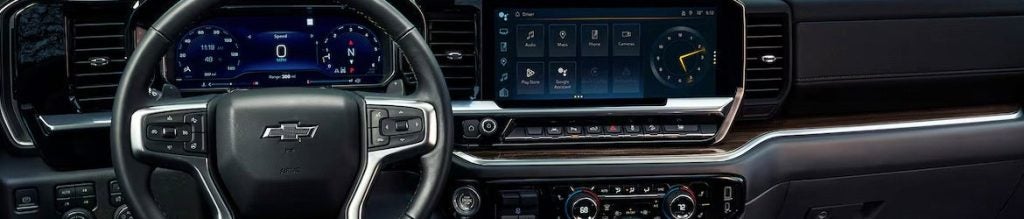
Black and silver steering wheel and dash of an all-new 2025 Chevy Silverado 1500. - Ted Britt Chevrolet

Understanding Your 2024 Chevy Warranty: What's Covered?

Chevy is well-known for its high-quality standards. Your new Chevy is protected by warranties that provide some of the best coverage available. As your Chevy dealer, we want to tell you more about some of the protection you receive under your 2024 Chevy warranty. From Your Chevy Dealer: Understanding Your 2024 Chevy Warranty Bumper-to-Bumper Coverage Most of your Chevy systems and components are covered by this warranty. If any manufacturing-related issue is identified, the issue will be rectified by an authorized dealer using Chevy-trained technicians and Chevy-approved replacement parts. Warranty coverage applies for the first three years or 36,000 miles, whichever comes first. Some situations are not covered by warranty, and these are explained in detail in your warranty handbook. Repairs using unauthorized parts, general wear and tear, and accidental damage are some examples of excluded situations. Tire Coverage Your tires are covered by the above warranty. There is no charge for labor during the warranty period. Tire replacements are free for the first year and pro-rate for the remainder of the warranty coverage. Powertrain Coverage The powertrain includes your engine, transmission, and drivetrain. Your transaxle and transfer case are also covered if your Chevy is equipped with them. All covered components are listed in your warranty handbook. There are certain exclusions detailed in the book, including sensors, the radiator, and the coolant. Coverage applies for five years or 60,000 miles. Extended Engine Coverage Certain engines and their components have extended coverage. These engines are the Silverado TurboMax and the 3.0L and 6.6L Duramax Turbo-Diesel. These three engines are protected for five years or 100,000 miles against any manufacturing-related defect. Hybrid Vehicle Propulsion Battery Coverage If you have a hybrid vehicle, its propulsion pack and all internal components are covered for eight years or 100,000 miles. An exception to this coverage is the loss of battery storage capacity over time. All batteries gradually lose storage capacity, and as a naturally occurring behavior, this loss is not a defect. Restraint System Warranty Your seatbelts, seatbelt assembly, airbags, and the airbag deployment system are covered by warranty for six years or 72,000 miles. Sheet Metal Coverage All body sheet metal panels are protected against rust by specialized treatments applied during their manufacture. These metal panels are protected against rust by this warranty for three years or 36,000 miles. If rust appears, despite these specialized treatments, during your warranty period, any affected panel or panels will be replaced for free. Rust-Through Coverage Rust-through is corrosion that forms a hole through a piece of metal from one side to the other. Your Chevy is covered against this situation for six years or 100,000 miles. If you want to know more about any of your warranties, contact us today at Ted Britt Chevrolet in Sterling, VA.

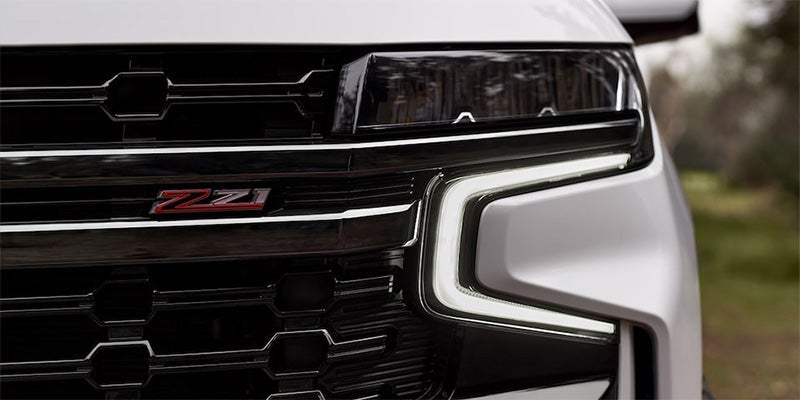
Close-up shot of a white 2024 Chevrolet Tahoe's front driver side headlight and grill. - Ted Britt Chevrolet Sterling, VA

3 Services Offered by Your Chevy Dealer

As your Chevy dealer, we offer a complete range of services to ensure your vehicle always works at its best. Servicing improves your Chevy's performance and reduces future repairs. We want to tell you about a few of the types of Chevy service we provide. 3 Types of Chevy Service Available at Your Chevy Dealer Radiator Servicing The radiator is the heart of your Chevy's cooling system. Engine heat is absorbed by liquid coolant and transported to the radiator when the heat is removed by airflow through the radiator grille. A radiator operates at high temperatures and pressure, and over time, this causes parts to wear out or get damaged. A service restores the radiator's health and allows it to continue to work efficiently. During a service, we examine and test all the cooling system's components, ranging from the thermostat to the water pump. The system, including the radiator hoses, is tested for leaks to ensure that it remains airtight to keep the coolant pressurized. We drain the old coolant and replace it, and we also ensure the radiator is clean, debris-free, and working smoothly. Tire Rotations The tires are one of the hardest working parts on your Chevy. They're subject to continuous wear and tear due to surface friction. In addition, they are gradually weakened by exposure to water, mud, and UV rays. Each tire suffers additional wear on certain areas depending on the tire's position on your vehicle. A tire rotation helps to reduce wear damage by shifting each tire to a new position. The new positions the tires move to depend on the type of drivetrain you have. This equalizes wearing and helps all your tires to wear down at a relatively uniform​​​​​​​​​​​​​​​​​​​​​​​​​​​​ rate. Reducing tire damage allows your tires to last longer, giving you more time to prepare for their eventual replacement. Fluid Checks Your Chevy has a wide range of fluids that keep the engine clean, control its temperature, and allow the transmission and brakes to work effectively. All fluids lose their effectiveness over time, and some older fluids can even cause engine damage if they're not replaced. The most important fluids in your Chevy, after the fuel, are engine oil, transmission fluid, power steering fluid, coolant, and brake fluid. Our technicians will check all your fluid levels and top them up if necessary. If a fluid needs replacement, we'll drain the old fluid and refill it. Some fluids, like transmission fluid and engine oil, have filters, and we replace their filters when we replace the fluid. Fresh fluids allow your vehicle's systems to operate more efficiently, reducing wear and tear and extending your Chevy's life. Book your next service today by contacting us at Ted Britt Chevrolet in Sterling, VA.

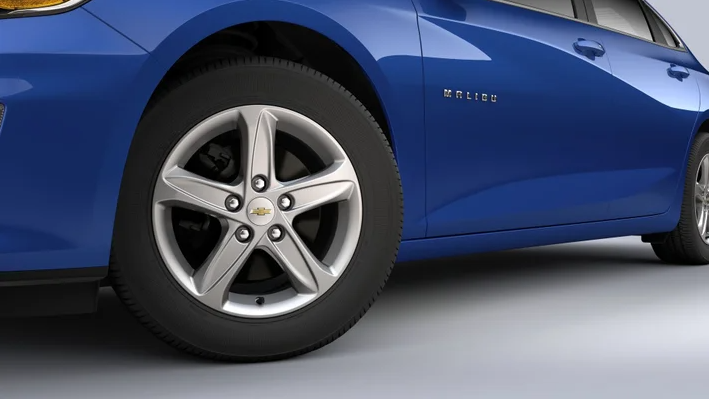
2023 Midnight Blue Chevrolet Malibu's driver side doors and tires. - Ted Britt Chevrolet Sterling, VA

Maximizing Tire Life: Tips for Your Chevy

Your tires will gradually wear out and will eventually need replacement. While it's impossible to prevent tire wear, you can reduce its impact on your tires and delay the need to replace them. As your Chevy dealer, we want to give you a few tips on tire maintenance that will help prevent avoidable early tire replacement. Tire Maintenance Tips From Your Chevy Dealer Check Tire Pressure Regularly Regularly checking your tire pressure helps keep your tires in good condition. Your front and rear tires have specific pressure requirements, and their pressures are listed in your car manual. They can also be found on a sticker or a metal plate in the inside door jamb on the front passenger side door. Tires that are correctly pressurized will suffer less surface friction damage. Underinflated tires droop slightly, exposing the softer and weaker sidewalls to fiction. In this situation, you'll see excessive smooth bands of wear around the outer edges of the tread and lower sections of the sidewalls. Overinflated tires, in contrast, show excessive wearing in the center of the tread, as the increased pressure pulls the outer edges of the tire away from the surface. We can test your tire pressure and correct it within minutes. Tire Rotations The tire tread gradually wears down. Some of the wear is naturally occurring due to constant contact with the surface, but other factors can also cause wear damage. Wheel misalignment or incorrect tire balances increase damage to specific sections of the tread. Tires also develop increased wear due to their position on your Chevy. A tire rotation will reduce wear damage, as each tire is moved to a new position. The positions the tires move to depend on your drivetrain. Moving the tires to new positions spreads wear and tear more evenly across the tires and extends their life. Our technicians can easily rotate your tires for you. Look For Damage Sharp objects on the road can penetrate a tire surface and cause a leak. A bubble could form on the sidewall of a tire that has been pinched against a hard object. The tire bubble is easily noticeable, and it makes the tire potentially dangerous to drive on. The air inside a tire heats up as you drive, and if the air in the bubble heats up enough it can burst and cause a blowout. Tire cracks can develop on the surface of older tires, as the rubber gradually loses its flexibility. Once a crack forms, it will widen and deepen and eventually cause a leak. We can repair leaks caused by sharp objects, but tire bubbles and cracks can't be repaired. We'll remove the damaged tires and install and balance new ones for you. If you'd like to know more about maintaining your tires, contact us today at Ted Britt Chevrolet in Sterling, VA.

3 Keys to Finding a Quality Transmission Repair

3 Keys to Finding a Quality Transmission Repair

Your transmission is one of the most complex systems in your car. It's filled with hundreds of constantly moving parts, and the transmission works continuously as you drive. Although the transmission is very strong, parts can wear out. When you need a transmission repair, your Chevy dealer is the first and best choice. These are the reasons why you'll find a quality repair with us. Expertise All of our technicians are highly trained and certified by Chevrolet. Our technicians only work on CDJR vehicles. This knowledge and experience make them experts at diagnosing and fixing your transmission. They can identify potential problems quickly and repair and refit components faster than a general mechanic. This combination of speed and expertise means your car will spend less time in our service department and more time on the road where it should be. Faster repairs also save you money. A general mechanic works on numerous makes and models of vehicles. Even the best general mechanic, however, can never have the knowledge and experience of our specialist technicians. A general mechanic will understandably take longer to diagnose and repair a Chevy, and the diagnosis may also not be as accurate. Quality Parts Our Chevy dealership uses Original Equipment Manufacturer (OEM) parts from Chevrolet. These parts are identical to the ones that were originally used to build your car. Your Chevy's designers and engineers built your vehicle to a high standard and specification. Using OEM parts ensures that this standard of quality is maintained. Generic parts may sometimes be slightly cheaper, but they are not made to the same level of quality. Generic parts will also not last as long as originals. General mechanics will, as a rule, use generic parts. They are much easier and quicker to source for a non-dealer. As mentioned, these parts will never match the quality of OEM ones, and they will also not last as long. A general mechanic who uses OEM parts will take longer to get them, and the parts will cost more. This will be reflected in your repair bill. High Standards Our technicians meet and subscribe to the high standards set by Chevrolet. Our work and customer service are geared to maintaining the high standards you expect and deserve from Chevrolet. This commitment is even more important when your transmission is being repaired. The work is particularly complex, and if it's not completed to the highest possible standard, there's the possibility that a mistake could happen. A general mechanic may not reach or offer the same care, attention, and workmanship that you need. The quality will be lower and will not match our experts' rigorous standards. If you have a problem with your transmission, you expect that repair work will be of the highest quality. As your dealer in Sterling, VA we can guarantee that the work and quality meet the standard you expect and deserve. Call our service department today at Ted Britt Chevrolet. Image courtesy of Pixabay.com

6 Signs Your Chevy Needs a Radiator Repair at Your Sterling Dealership

6 Signs Your Chevy Needs a Radiator Repair at Your Sterling Dealership

The cooling system in your car consists of a water pump, a thermostat, and a radiator to keep the engine and components cool and to prevent overheating. A faulty radiator will cause damage to the engine and other crucial components. Below are signs that will alert you when to get a radiator repair at your Chevy dealer before you have to fork out a whole lot of cash on expensive repairs. 1. Low Coolant and Leaks When you suddenly have to top off the coolant more often, there might be a coolant leak. Check for bright green, orange, yellow, or pink puddles under your car. If your vehicle is leaking coolant, it might be a loose or damaged hose. Your Chevrolet technician will quickly determine where the leak is coming from and fix the problem before it leads to engine damage. 2. Your Car Is Overheating When there is a problem with your car's cooling system, such as low fluid levels and leaks, the temperature gauge's needle will rise. A faulty thermostat that doesn't release the correct amount of fluid can also cause your car to overheat. If your vehicle overheats when it's idling, the culprit could be a broken or malfunctioning radiator fan. A faulty radiator fan will not pull enough air into the radiator to cool it down, and that's why your car is overheating. 3. Your Radiator Is Rusty Rust can cause severe damage. Holes will form, causing leaks that will lead to overheating. If the coolant is a brownish color, it's contaminated with rust, and over time it will cause your radiator to fail. If you notice rust, you need to ask your Chevrolet technician to inspect your radiator ASAP before more damage occurs. 4. The Radiator Is Clogged If you see a thick sludge inside your car's radiator, it means the radiator is clogged. The sludge will prevent the correct amount of coolant from flowing through to the engine. If not enough coolant run through the system, your car will overheat. 5. The Radiator Fins are Blocked or Damaged The radiator fins become blocked with insects, leaves, and road dirt as you drive. Stones and high water pressure can damage the fins. If the radiator fins are blocked or damaged, not enough air flows through to reduce the temperature of the hot coolant, resulting in your vehicle overheating. 6. There Is Smoke From Under the Hood or Exhaust Leaking coolant will cause white smoke to come out of the exhaust. If you see white smoke, check your vehicle's coolant levels. If the coolant is low, it's best to ask your technician to check your radiator. If you see smoke pouring out from under the hood, the radiator might be struggling to keep the engine cool. Pull over in a safe spot as soon as possible and wait for your car to cool down. Phone your dealership and ask for assistance. When your car is overheating, it's a typical sign of radiator problems. Ask your Chevrolet technician to perform a radiator inspection to determine what is causing the problem ASAP if you experience any signs. Contact Ted Britt Chevrolet today, and our qualified Chevrolet technicians will ensure that your radiator is in top condition.

Contact Us

Fill out this form below and we'll contact you shortly
*Required Fields