





Your car needs regular maintenance, and that includes oil changes. Understanding when to change the oil at your Chevy dealer can prevent expensive repairs and keep your vehicle running smoothly.
When to Change Your Oil
Most modern Chevrolet vehicles require fresh oil every 5,000 to 7,500 miles under normal driving conditions. However, this depends on your specific model, year, and the type of oil in your car. If your Chevy is driven in severe conditions, such as frequent towing, carrying heavy loads, or stop-and-go traffic, you should change your oil more frequently. Always refer to the owner’s manual for the most accurate recommendations.
Why Oil is Important
Oil lubricates the moving parts of your engine, reducing friction and preventing premature wear. Keeping the oil fresh can extend the life of your engine. Oil also helps carry away heat as it circulates through your engine. Over time, old oil becomes less effective at cooling, potentially leading to overheating.
You’ve Passed the Mileage Limit
If you’ve driven more than 7,500 miles since the last time you changed your oil, it’s time to schedule that appointment. Even if you haven’t driven very much, but your last change was more than six months ago, take some time to evaluate the condition of your oil.
Dark and Dirty Oil
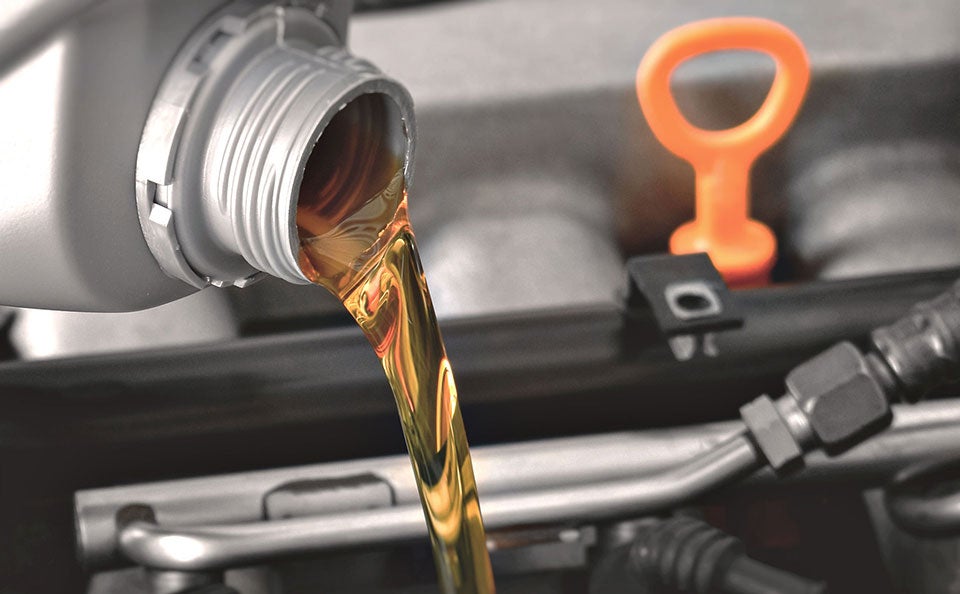
New oil is amber and transparent enough to let light through. As it gets older, it collects particles from the engine, turning dark, dirty, and thick. Check your oil color and consistency with your dipstick at least once a month to tell if you need a change.
Your Engine Is Running Louder
Clean oil cushions the parts of your engine so they don’t grind together. If you start to hear more noise than usual from your engine, or worse, a knocking sound, the oil isn’t doing its job anymore. That sound you hear is damage happening under the hood.
Oil Light or Check Engine Light
Modern vehicles have sensors and computer systems that monitor oil quality and levels. If the oil light or check engine light comes on, it’s time to take a look at your oil, and probably schedule a service appointment.
Smoke From the Exhaust
Vapor coming from your tailpipe is normal. Smoke is not. Smoke coming from your exhaust means something is burning in your engine, and that something might be oil from a leak.
Decreased Fuel Efficiency
If you are making more frequent trips to the gas station, your car’s oil might be to blame. A well-lubricated engine runs more efficiently, but one with old oil has to work harder, consuming more fuel.
Regular maintenance, including changing your oil, is far less expensive than repairing your engine because you neglected it. Call Ted Britt Chevrolet and schedule your next service appointment today.
Connect with us


